About Sanger STEM Camp
Sanger STEM Camp began with a simple concern: too many young students were deciding that engineering was not for them before they had a meaningful opportunity to try it.
Members of our original team repeatedly heard younger students and parents describe engineering as too difficult, too expensive, or only realistic for people who were already unusually skilled. We believed those concerns often came from unfamiliarity, not inability. Designing, programming, building, testing, and troubleshooting are learned through experience, mistakes, guidance, and persistence.
Why We Started
We created Sanger STEM Camp to give students in grades three through six a free, hands-on introduction to engineering. Students did not need to own a computer, purchase equipment, pay tuition, or arrive with technical experience.
The camp was designed to replace intimidation with evidence. When a student completes a circuit, fixes a Scratch program, improves a physical design, or turns a digital model into a printed object, engineering becomes a process they can learn rather than an identity they must already possess.
Bridging a Local Gap
We also saw a gap in the local STEM pathway. Students could encounter introductory elementary robotics, but there were limited opportunities to deepen those skills before reaching advanced competitive programs such as FIRST Tech Challenge and FIRST Robotics Competition.
Those programs offer authentic engineering experiences, but students are more likely to pursue them when they already have some confidence with designing, programming, building, testing, and troubleshooting. Sanger STEM Camp was intended to provide an accessible bridge toward those future opportunities.
Learning by Doing
The activities were selected to give students several ways into engineering:
- Tinkercad keychains introduced computer-aided design and digital manufacturing.
- Paper circuits introduced polarity, conductive paths, and functioning electrical systems.
- Paper-airplane testing connected design changes with stability and performance.
- Scratch projects introduced programming, sequences, logic, and debugging.
- Art robots connected motor movement with the behavior of a physical device.
- Wind-powered cars and bottle rockets introduced forces, testing, and design iteration.
The goal was not for every project to work immediately. Troubleshooting was part of the lesson. Instructors provided enough support to prevent students from becoming discouraged while allowing each student to retain ownership of the decisions and final project.
Why the Camp Was Free
Cost was one of the barriers families described to us. Computers, software, fabrication equipment, electronics, robotics materials, and organized technical programs can be difficult for an individual family to access.
Hosting the camp in a school engineering classroom allowed us to connect existing community resources with younger students. Making the camp free was not simply a promotional choice; it directly addressed the belief that meaningful engineering opportunities were unaffordable.
What We Hope Lasts
We want Sanger STEM Camp to remain active at Sanger West High School for years to come. The camp was designed to be repeatable so future students can step into the organizer role, improve the program, and continue giving younger students meaningful engineering experiences.
That continuity is one of the main reasons we created this website. It preserves the curriculum, materials, preparation, challenges, and lessons learned by the original team so future Sanger West students do not have to rebuild the camp from the beginning.
The camp is also set to partner with the district’s FIRST Robotics Competition team, Uni-Rex 5817. This partnership can connect camp organizers with experienced student mentors and help introduce younger students to the next opportunities in the local engineering pathway.
We also want the guide to be useful beyond our school. Another school, robotics team, library, or community organizer should be able to follow what we did, adapt it to the resources they have, and create a STEM camp of their own.
The people behind the camp
The original camp team
Six student organizers worked together to plan and lead the first Sanger STEM Camp in 2026.
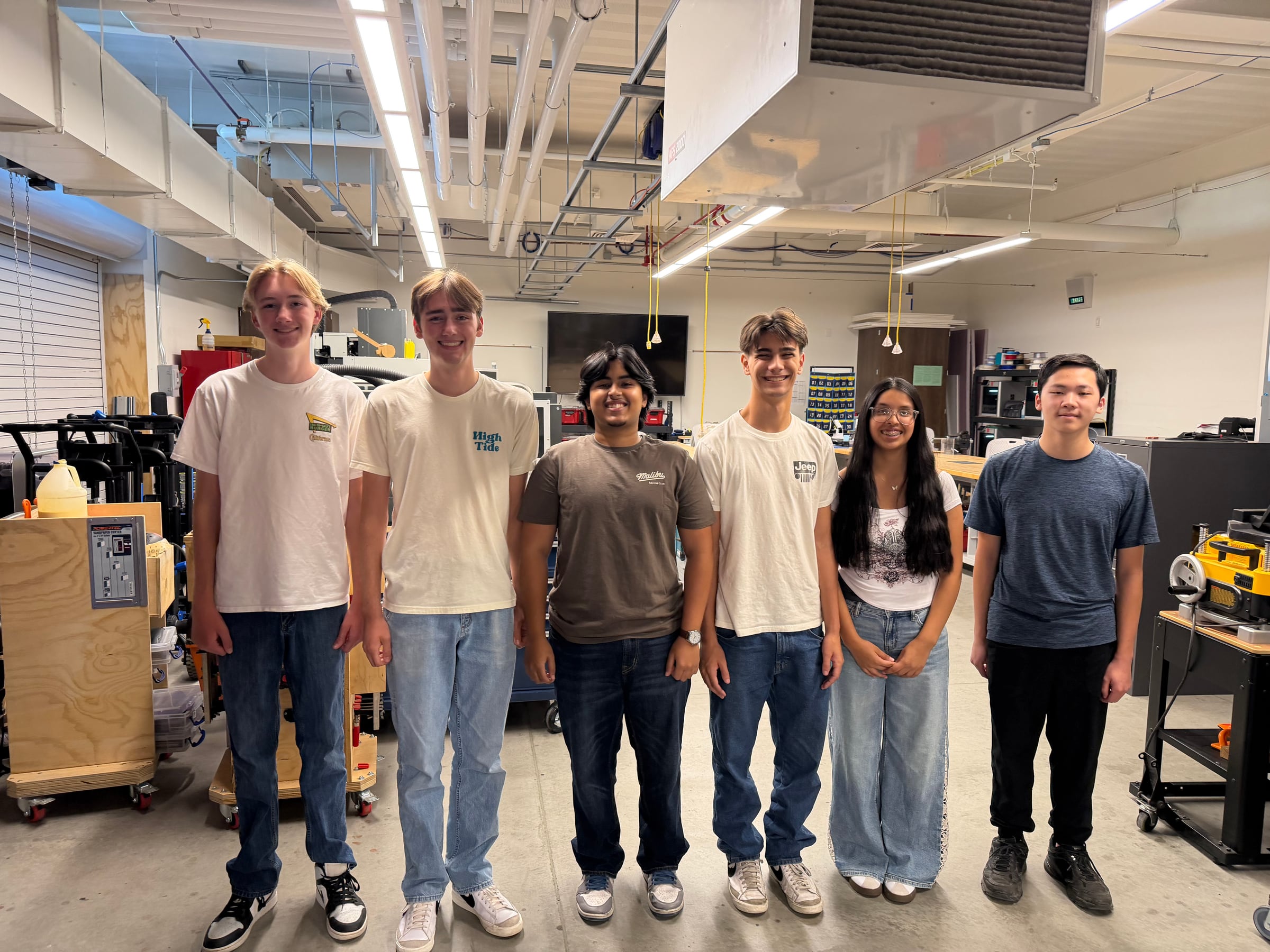
Our organizers
Camp teams by year
2026 Camp Team
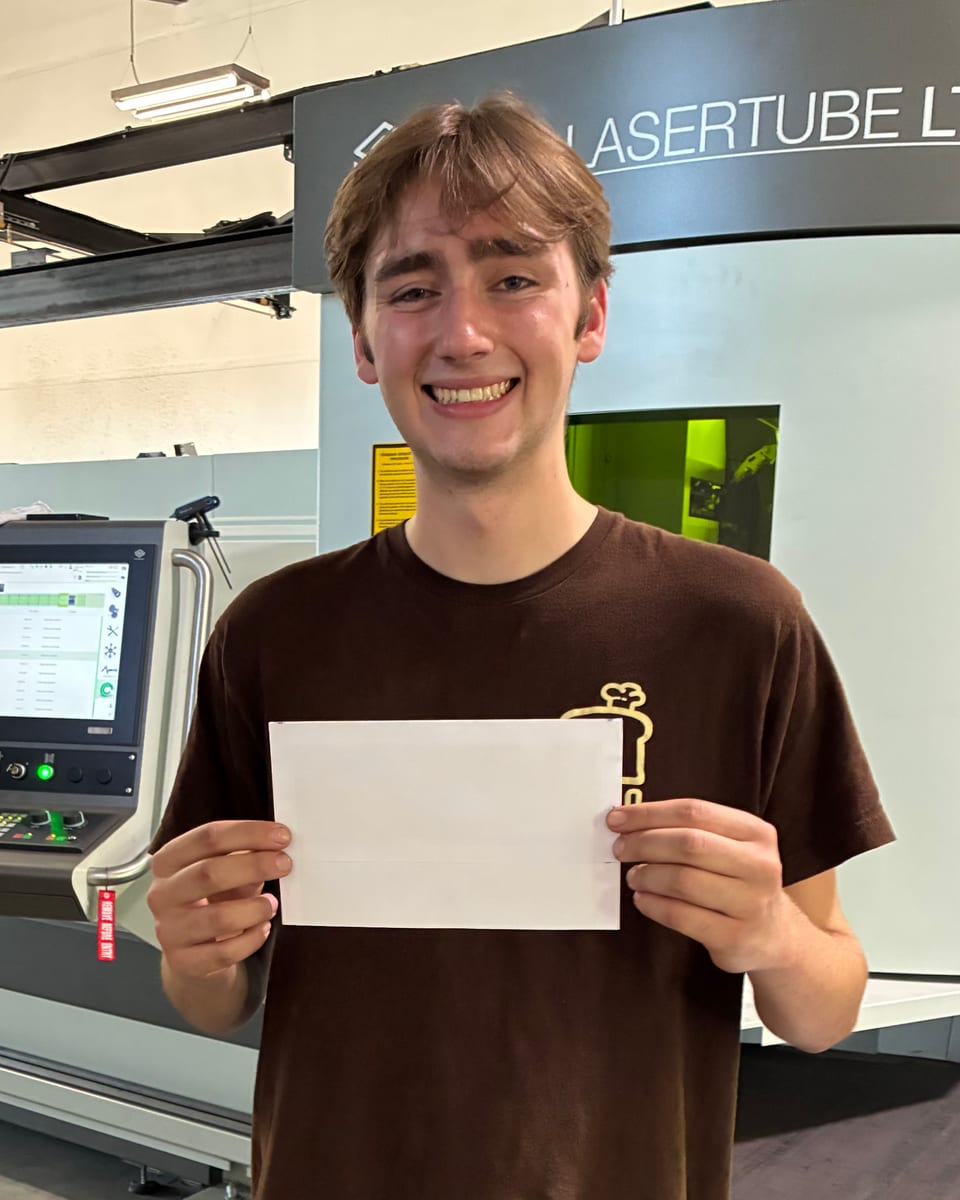
Carson Loy
Founder and Lead Organizer
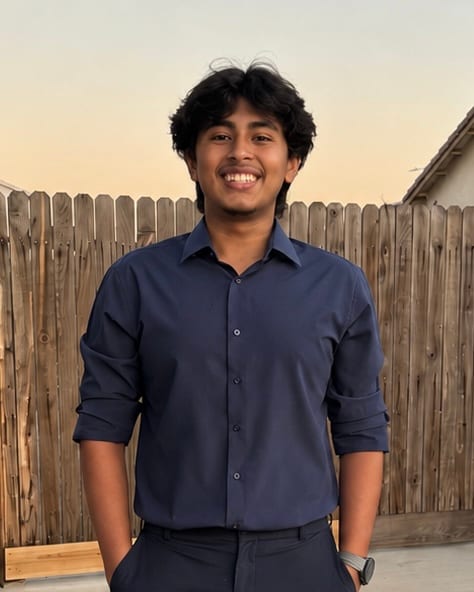
Moazzin Khan
2026 Camp Team
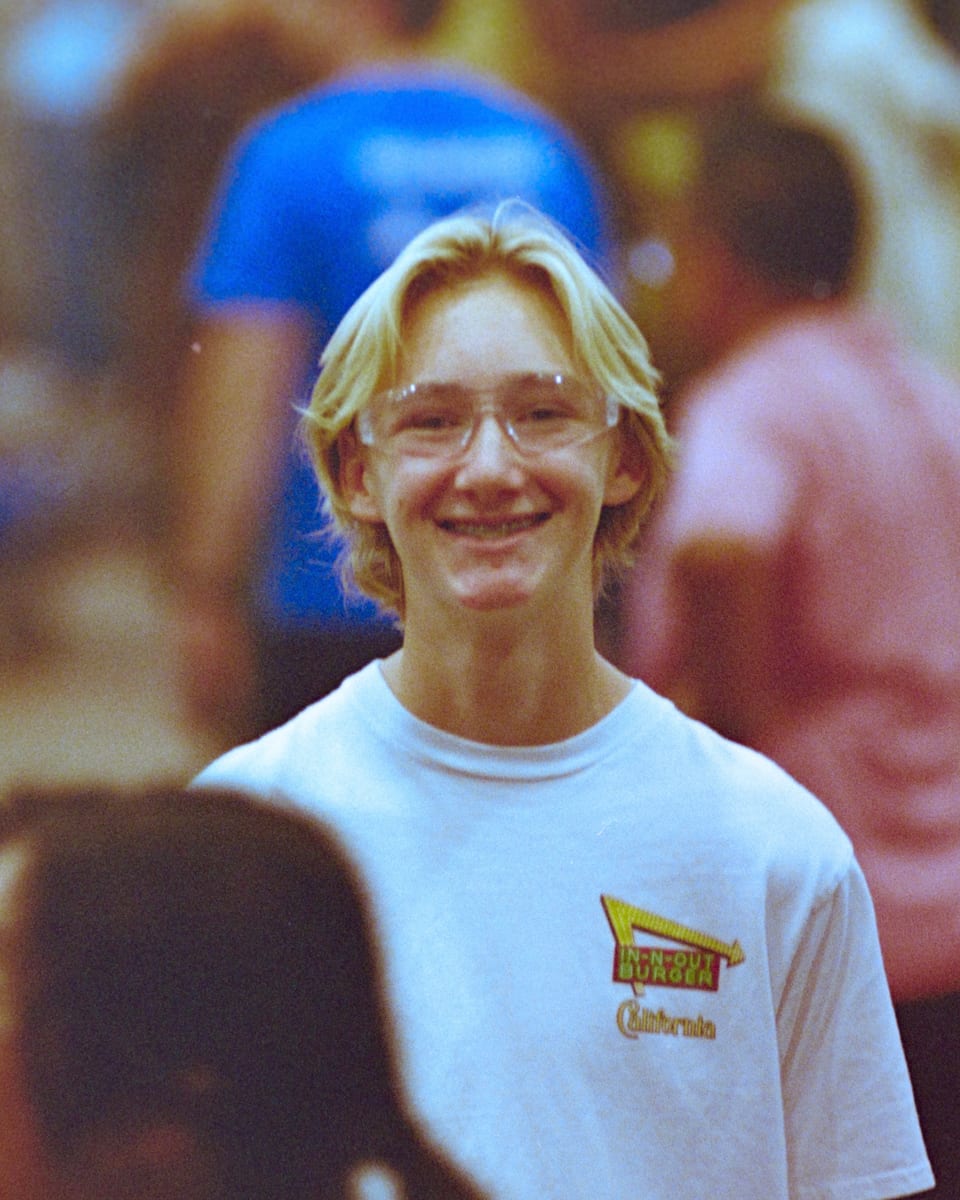
Bennett Loy
2026 Camp Team

Michael Nelson
2026 Camp Team
Alyssa Ramos
2026 Camp Team
Noel Her
2026 Camp Team